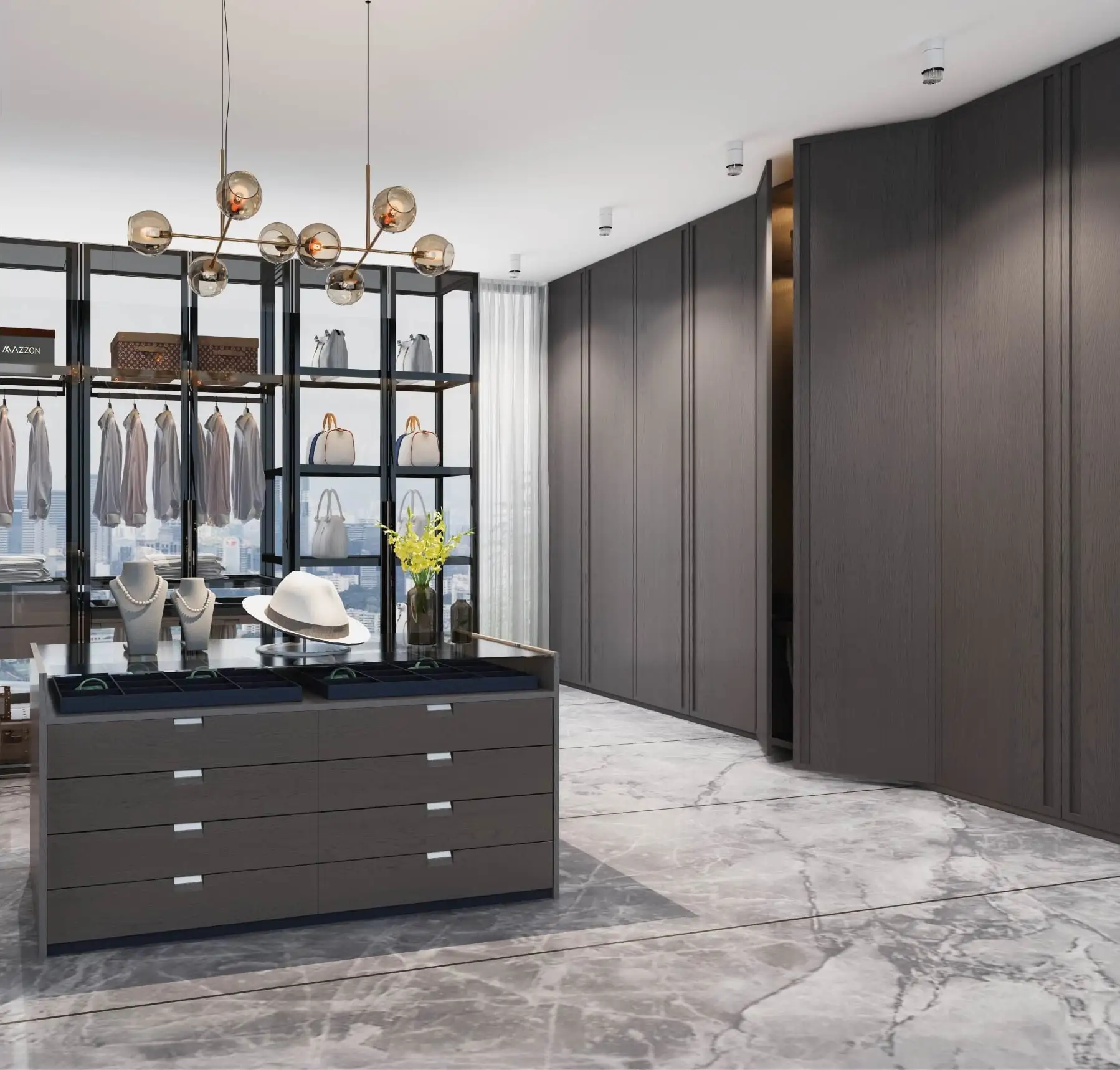
Cabinet collections
Door styles and finishes.
A collection is a door front and the construction behind it. Most rooms end up combining two, which is fine as long as the reveal and the hardware family stay consistent across them.
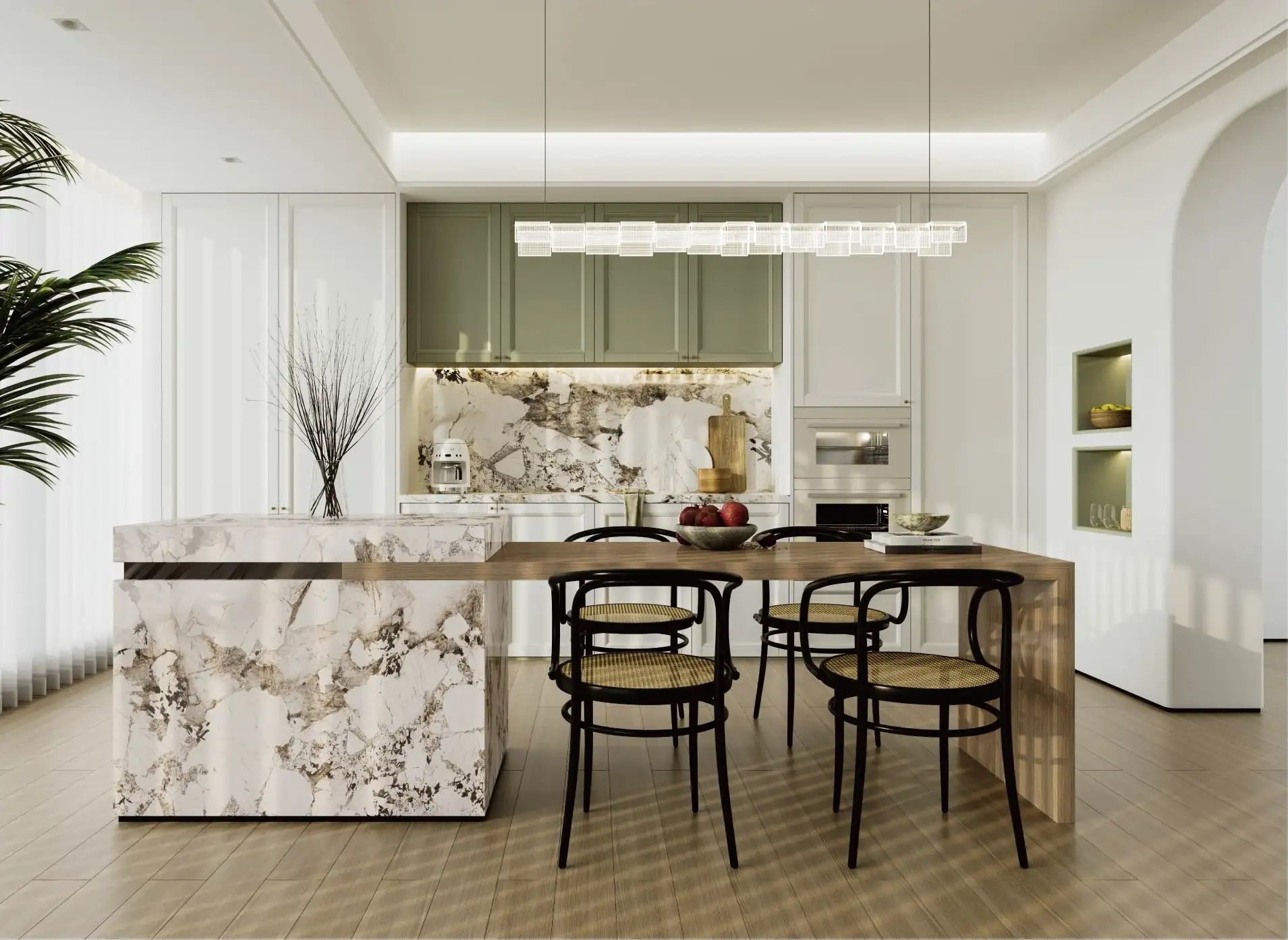
Shaker
20A five-piece door with a recessed centre panel and a square-edged frame. Shaker survives because the proportions are adjustable: a narrow rail reads contemporary, a wider one reads traditional, and the same door works in a 1920s bungalow and a new build. It is the safest choice on this list, in the useful sense rather than the dull one.
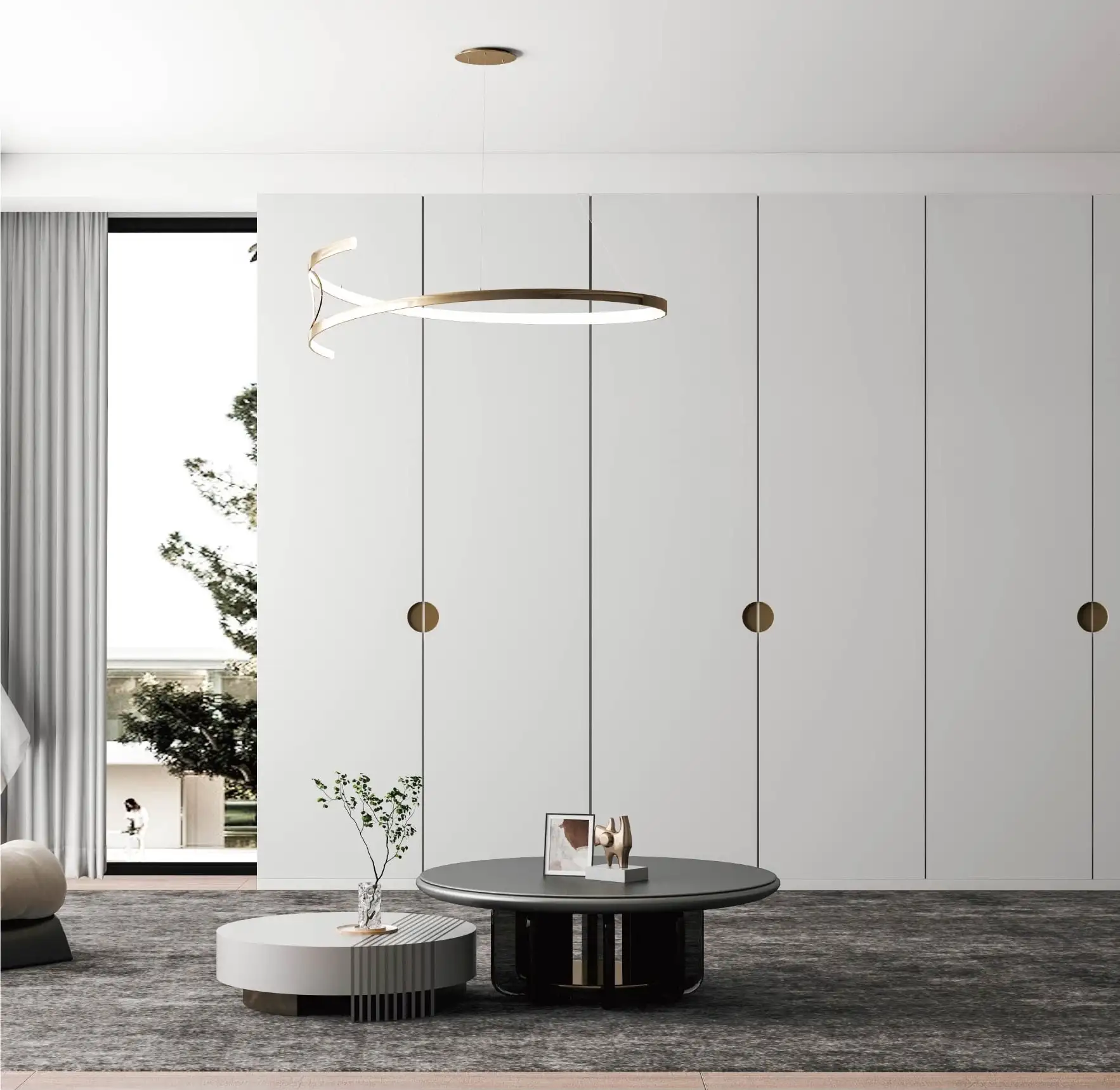
European Frameless
9Frameless construction removes the face frame entirely, so the door covers the full front of the box. The practical gain is access: drawers run the full internal width, and there is no frame edge to reach past. The visual gain is the tight, consistent reveal across a long run, which is difficult to achieve any other way.
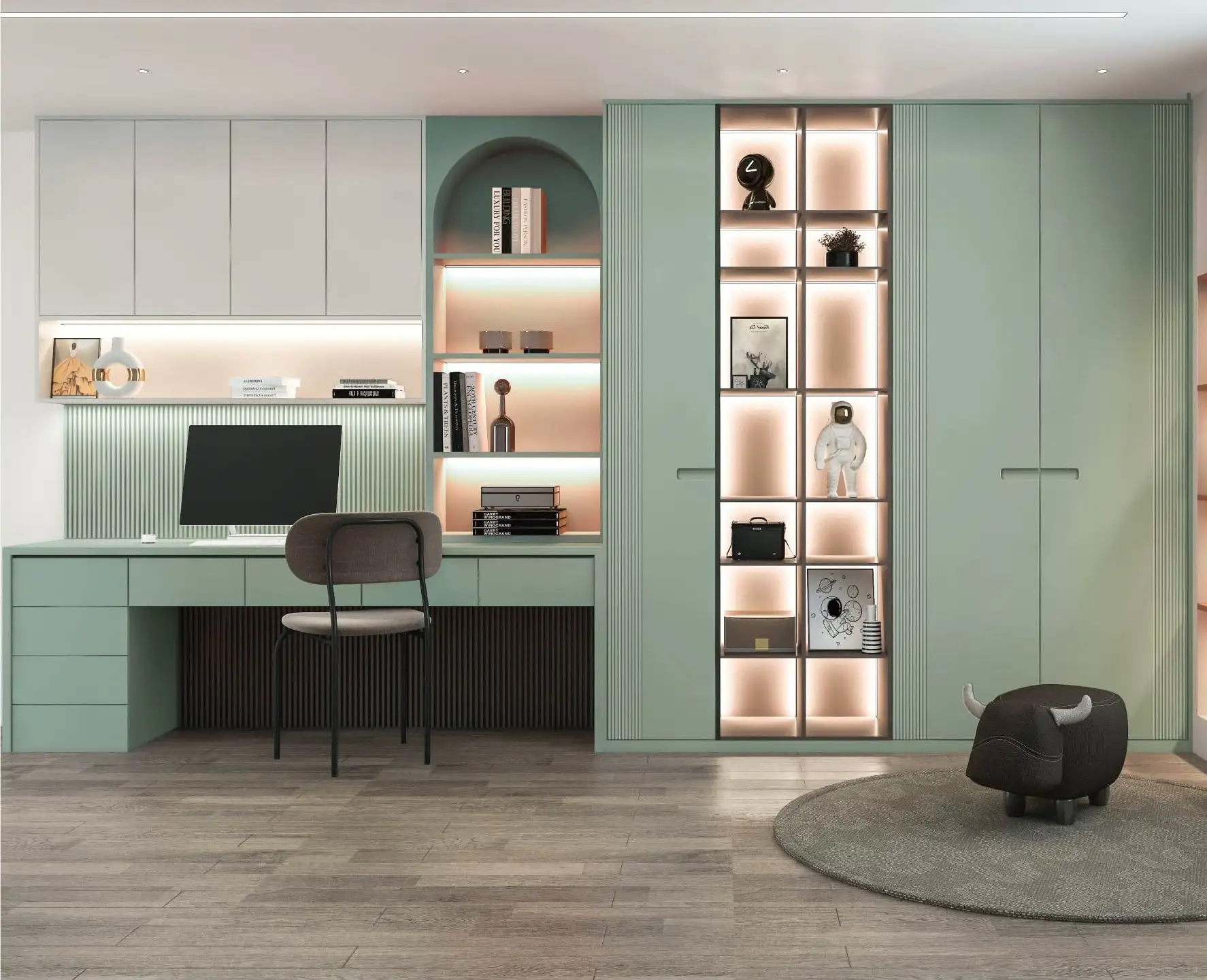
Custom Cabinetry
18Work that does not correspond to any door style because the piece is designed from the room outward: curved returns, integrated seating, wall paneling that absorbs a doorway, storage built into an awkward roof pitch. This is where most of the design time goes, and where the difference between fitted and built-in actually shows.
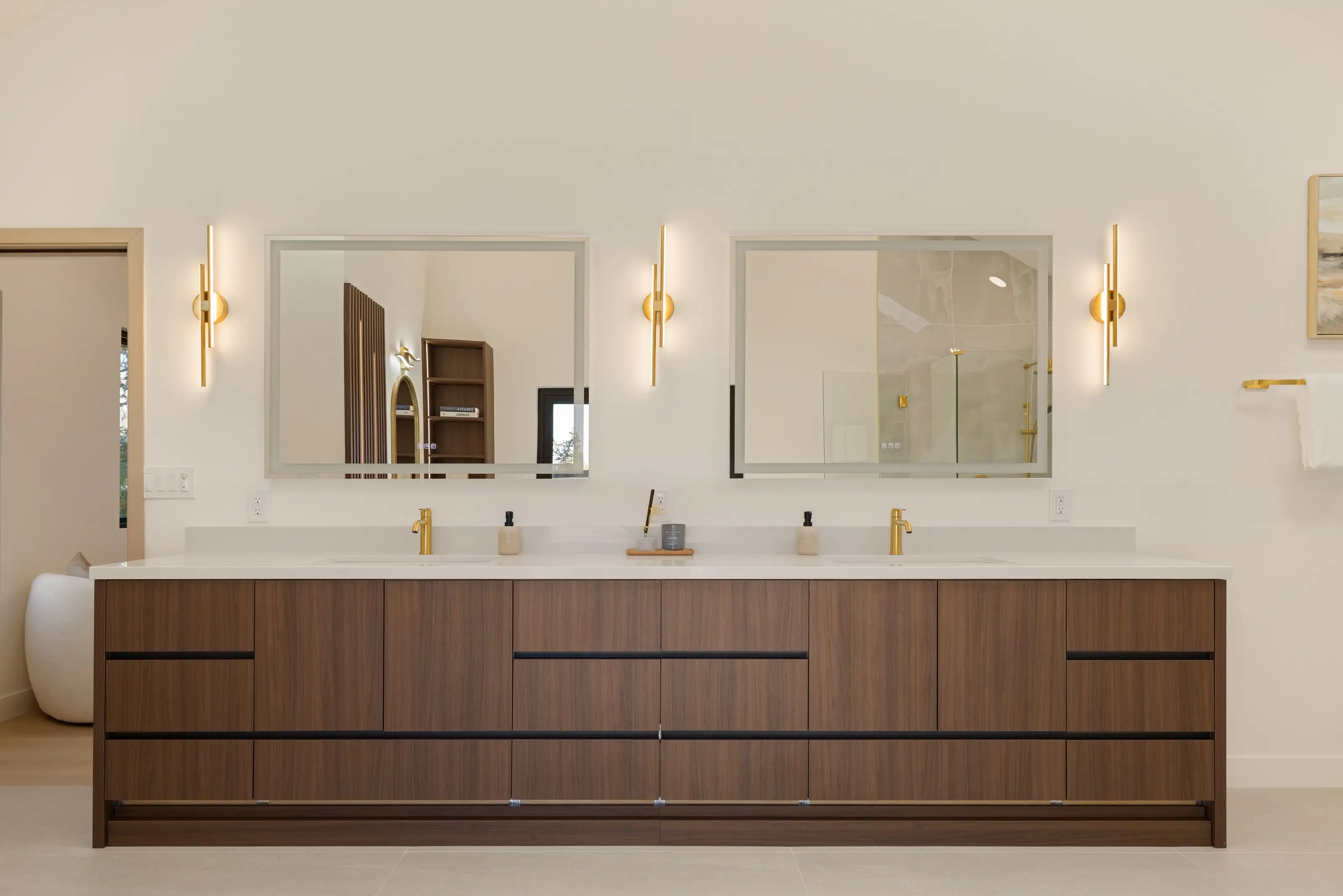
Wood Finishes
48Stained and clear finishes that leave the grain visible. Cherry, walnut and oak each move differently with light, and each ages differently: cherry darkens noticeably in the first year, walnut lightens slightly, oak stays close to where it started. We show samples in the actual room before committing, because showroom lighting is misleading about all three.
Start with a conversation about the room.
Bring measurements if you have them, photographs if you do not. The first consultation is free and there is no obligation to proceed.